A ground operator can only price what it can see. When a brief arrives as “Beijing, five days, twenty people, best price”, the proposal that comes back is a guess dressed up as a quote. The operators who win repeat business are usually the ones whose agents send detail.
Start with the commercial frame
Tell the operator what standard you sell at, not just what you want to pay. Hotel level, meal plan and the vehicle type decide most of the cost before a single entrance ticket is priced. If you are building a budget series and a premium series on the same route, say so — the two proposals will look very different.
Describe the group, not just the route
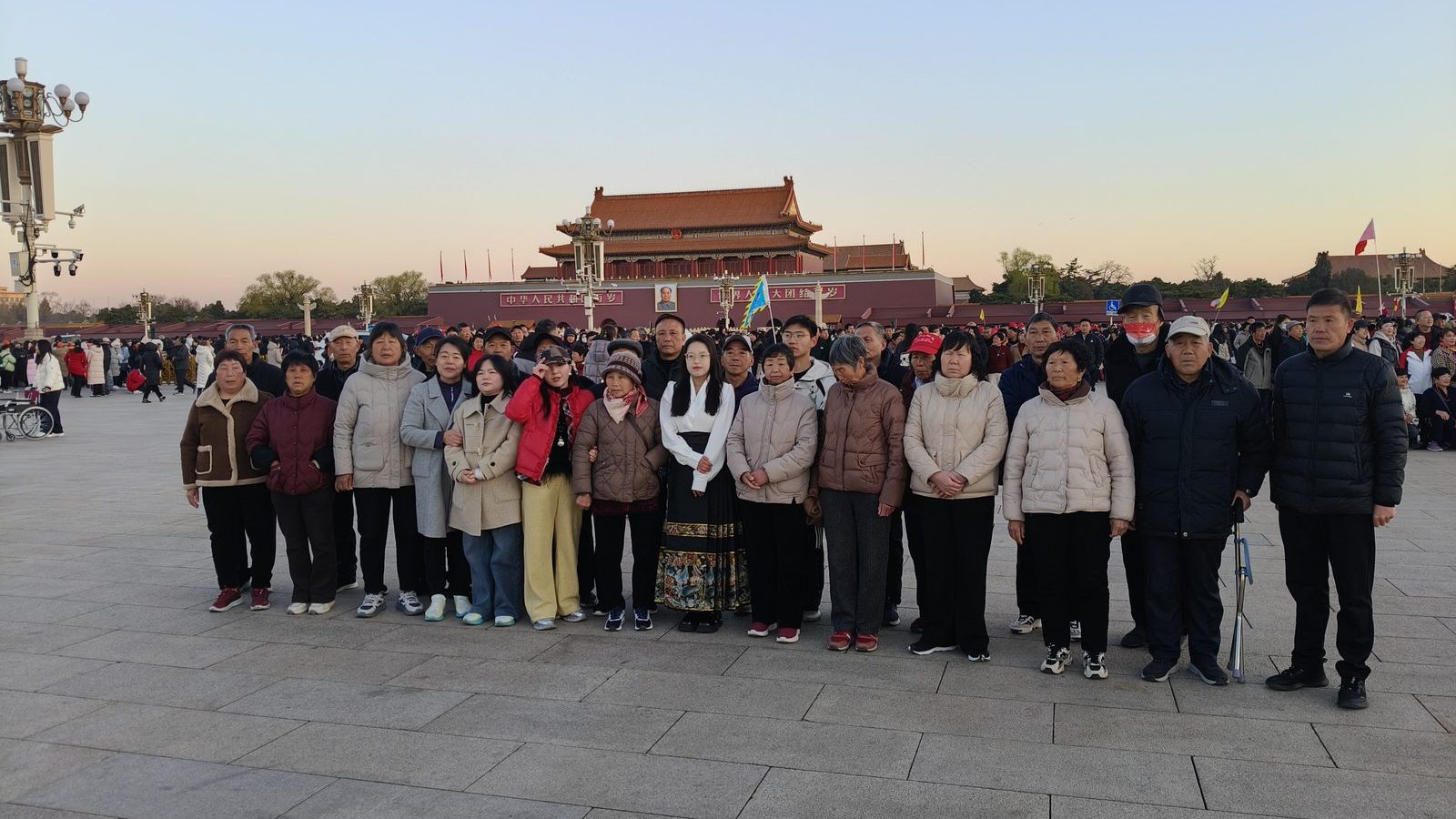
Age profile, mobility and group composition change the day more than the itinerary does. A coach of retirees and a coach of university students can visit the same palace and need completely different timings.
- Group size and the number of single rooms
- Age range and any mobility or dietary requirements
- Whether the group travels with its own escort
- The language required for guiding
Say what is already booked
Flights, hotels and fixed appointments are the constraints the operator has to build around. If you have already ticketed the group, send the flight numbers and times. If a company visit is fixed for a Tuesday morning, say so before the route is designed, not after.
Agree what “confirmed” means
Ask the operator to mark each line of the proposal as confirmed, on request, or subject to availability. That single convention prevents most of the disputes that happen three weeks before departure, when a hotel has no rooms and nobody is sure who promised them.
A brief that works
Market, dates, group profile, hotel level, inclusions, fixed arrangements, language, and the date you need the proposal by. Seven lines. It takes ten minutes to write and it saves a week of revision.